

Reference title
“Zimbabwe” 1980, Bob Marley1
[web_stories_embed url=”https://glennorah.co.uk/web-stories/one/” width=”360″ height=”600″ title=”How to optimize videos for Web Stories” ]
Context
£35.00Add to cart
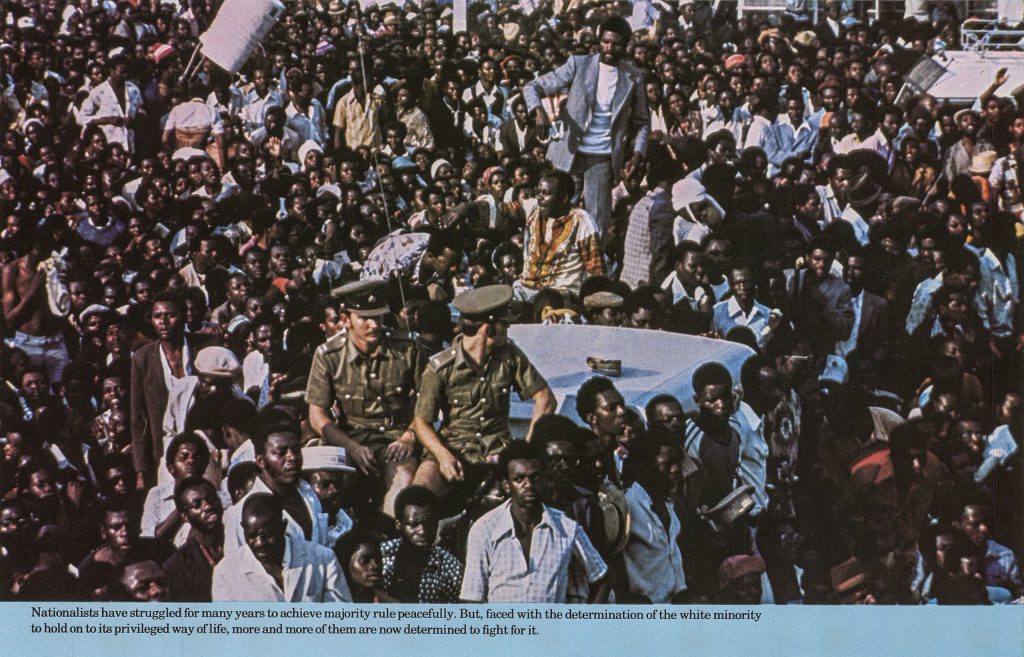
In 1980, Bob Marley performed at Zimbabwe’s independence celebrations in Harare, just months after the country gained its independence from white minority rule2. The concert, which was held at the Rufaro Stadium and attended by an estimated 100,000 people, was a seminal moment in Zimbabwe’s history and a powerful symbol of the country’s newfound freedom and hope.
The year prior Marley had recorded a song titled “Zimbabwe”3 to raise awareness about the struggle against white-minority rule in Rhodesia. The lyrics of the song reflect the hopes and aspirations of the people of Zimbabwe for freedom and self-determination. The song became an anthem for the Zimbabwean people during their struggle for independence.
Output
The collection of four fragrances, inspired by Marley’s iconic Independence Day performance in 1980, focuses on the theme of healing. Marley’s performance and song symbolized the end of hardship and marked a moment of celebration as the nation shifted its focus towards recovery. Marley was an advocate for nature’s healing abilities4, which had been a long-standing tradition for the people of Zimbabwe, who have relied on the land’s offerings for curative remedies for generations5.
[userfeedback id=2]
“Pepper Bark”
Liquid
Inspired by Bob Marley’s ital philosophy and the medicinal healing properties of Zimbabwean Pepper Bark Tree6. Bob Marley followed the “ital”7 diet, which emphasizes natural, organic, and minimally processed foods, often uses a variety of herbs and spices, including pepper, to enhance flavors. This scent combines the bold aroma of Zimbabwean Pepper Bark tree with earthy, natural notes to evoke a sense of vitality, harmony, and oneness with nature.
“Mutoko Herb”
Solid
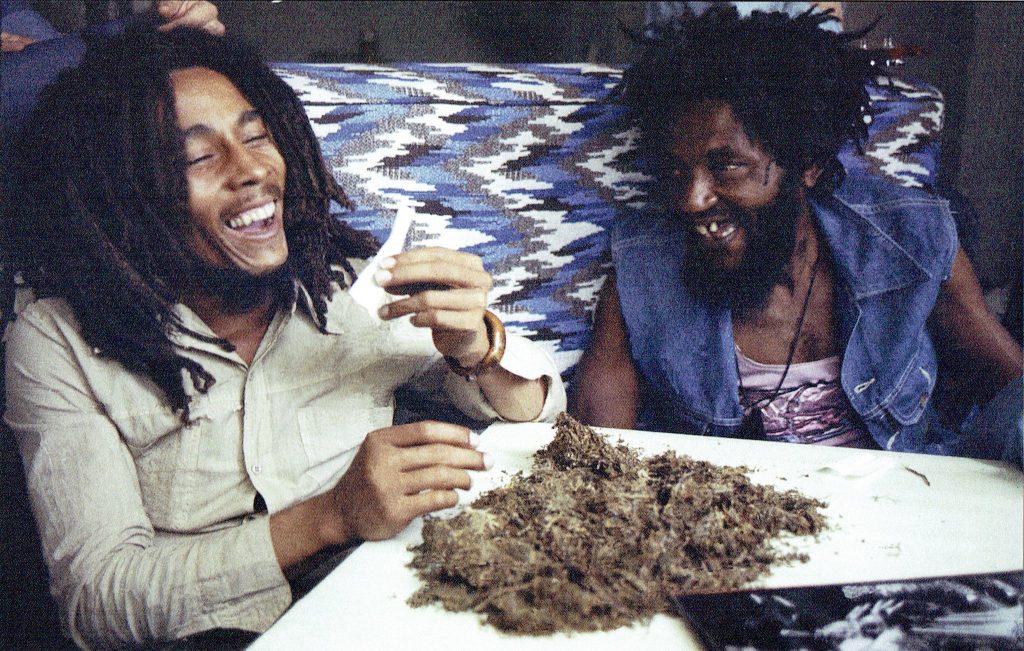
This fragrance draws inspiration from Marley’s trip to spend time with the marijuana farmers of Mutoko8, a town 143 kilometres away from Zimbabwe following the Independence Day performance. The fragrance features a botanical fusion of cannabis flower, green leaves, coriander spice, soft florals, and a woodsy, musky base.
“Zumbani Leaves”
Solid
This scent combines refreshing Zimbabwean Zumbani tea leaves9, citrus, and florals for a serene, balanced experience. With invigorating top notes, a vibrant floral heart, and a warm, grounding base, “Zumbani Leaves” captures the nurturing spirit of nature in a captivating, restorative fragrance.
Solid
Register your interest
All Second Chimurenga references
“Zimbabwe”1975, Miles Davis
“Black Fire” (Introduction & Blurb) 1976, James Baldwin
“Zimbabwe” (Performance) 1980, Bob Marley
Extended Reading
- Bob Marley & the Wailers – Live the Zimbabwe Independence Celebrations, 19.04.1980
- When Bob Marley serenaded Zimbabweans celebrating independence
- Zimbabwe by Bob Marley & The Wailers
- Ital Statistics: Eating Like Bob Marley
- Traditional Herbal Medicine and Healing in Zimbabwe
- Warburgia medicinal bark Zimbabwean case by Anthony Cunningham
- Ital Is Vital
- Remembering Bob Marley At The Birth Of Zimbabwe
- Demystifying the ‘Wonder Herb’: The Zimbabwean Zumbani Story
- Cucumis metuliferus