
James Baldwin books
Six novels, a play, a book of stories, a book of poems and a shelf of essays, written between 1953 and 1985 in Harlem, Paris, Istanbul and Saint-Paul de Vence. This is the list in order, with a line on each and a note on where to start.
One copy of Just Above My Head is in our cabinet.
I
The novels
Go Tell It on the Mountain (1953). A Harlem boy, a Pentecostal church and a stepfather. Baldwin finished it in Switzerland with a Bessie Smith record playing. Start here.
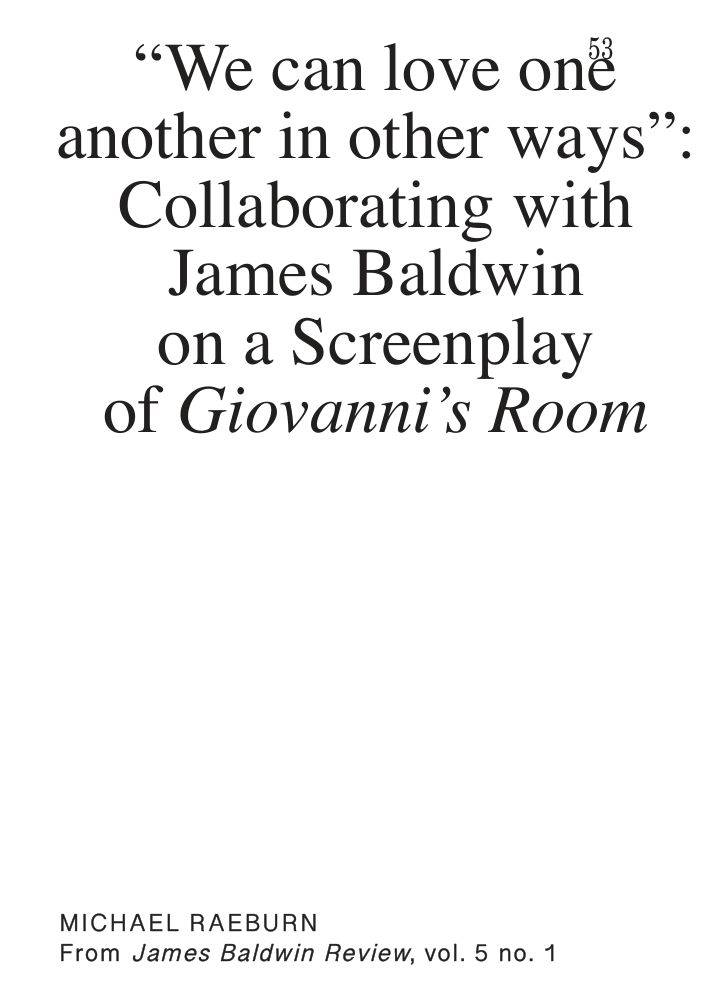
Giovanni’s Room (1956). An American in Paris and an Italian barman. His publisher told him to burn it. It won him the Légion d’Honneur thirty years later. The screenplay he and Michael Raeburn wrote in 1978 remains unproduced.
Another Country (1962). Rufus Scott, a jazz drummer, and the friends he leaves behind in Greenwich Village. The big New York novel.
Tell Me How Long the Train’s Been Gone (1968). An actor looks back from a hospital bed.
If Beale Street Could Talk (1974). Tish and Fonny, a love story against a wrongful arrest. Barry Jenkins filmed it in 2018.
Just Above My Head (1979). Hall Montana tells the life of his brother Arthur, a gospel singer who dies in London at 39. Baldwin’s longest and last novel. More on the book, and our copy.
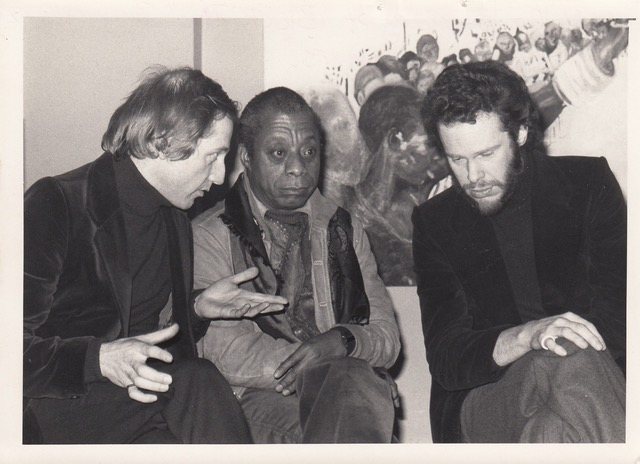
Baldwin at the Africa Centre, London, January 1978, for the launch of Black Fire!
II
The essays
Notes of a Native Son (1955). The Harlem and Paris essays that made his name, including “Equal in Paris”, about a night in a French jail over a stolen bedsheet.
Nobody Knows My Name (1961). On Faulkner, Mailer, Gide and the American South.
The Fire Next Time (1963). Two letters, one to his nephew. The one everybody has read.
Nothing Personal (1964). Baldwin’s text with Richard Avedon’s photographs, the two of them schoolmates at DeWitt Clinton High School. Reissued by Taschen in 2017.
No Name in the Street (1972). The civil rights years and their dead. The Devil Finds Work (1976), on cinema. The Evidence of Things Not Seen (1985), on the Atlanta child murders.
III
Stories, a play, poems
Going to Meet the Man (1965), eight stories, among them “Sonny’s Blues”. Blues for Mister Charlie (1964), a play drawn from the murder of Emmett Till. Jimmy’s Blues (1983), his poems, published first in London by Michael Joseph. More on the poems.
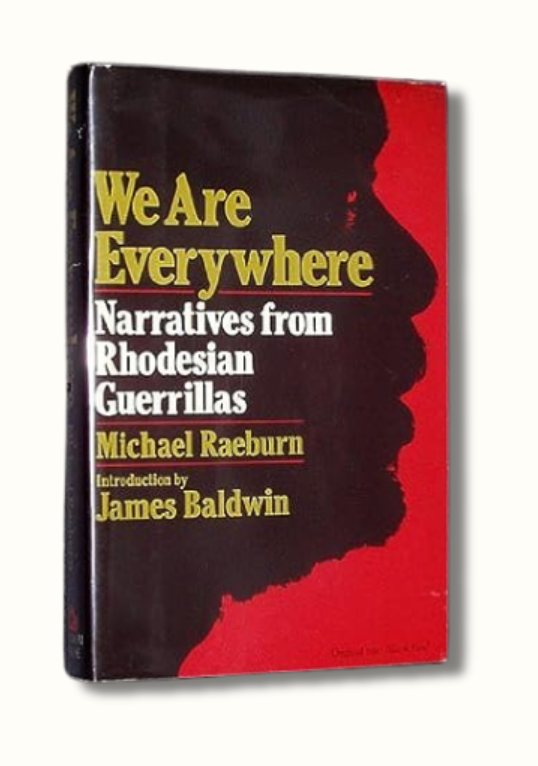
Black Fire! (1978). Baldwin wrote the introduction to Michael Raeburn’s book on the guerrilla war in Zimbabwe, launched at the Africa Centre, London. One first edition is in the cabinet.
IV
Books about Baldwin’s Paris
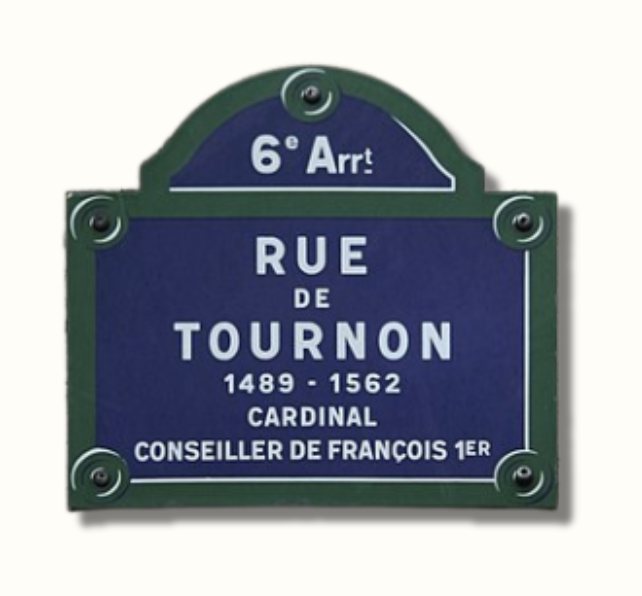
Exiled in Paris by James Campbell, on Wright, Baldwin, Beckett and the Left Bank. Paris Without Regret by Ursula Broschke Davis, on Baldwin, Kenny Clarke, Chester Himes and Donald Byrd. Both in the cabinet, one copy each. The address they all share is 18 Rue de Tournon, which is also the name of our fragrance.
Baldwin’s unpublished notes for the poem “A Lover’s Question” appear for the first time in our book.